
Energy-Saving Tips and Tools for Renters
So whether you’re trying to survive summer without roasting or winter without breaking the bank, start with one or two tips from this list. You’ll see a difference in your energy bill—and feel it in your space. Comfort doesn’t have to cost a fortune. Sometimes, it just takes a smarter setup.
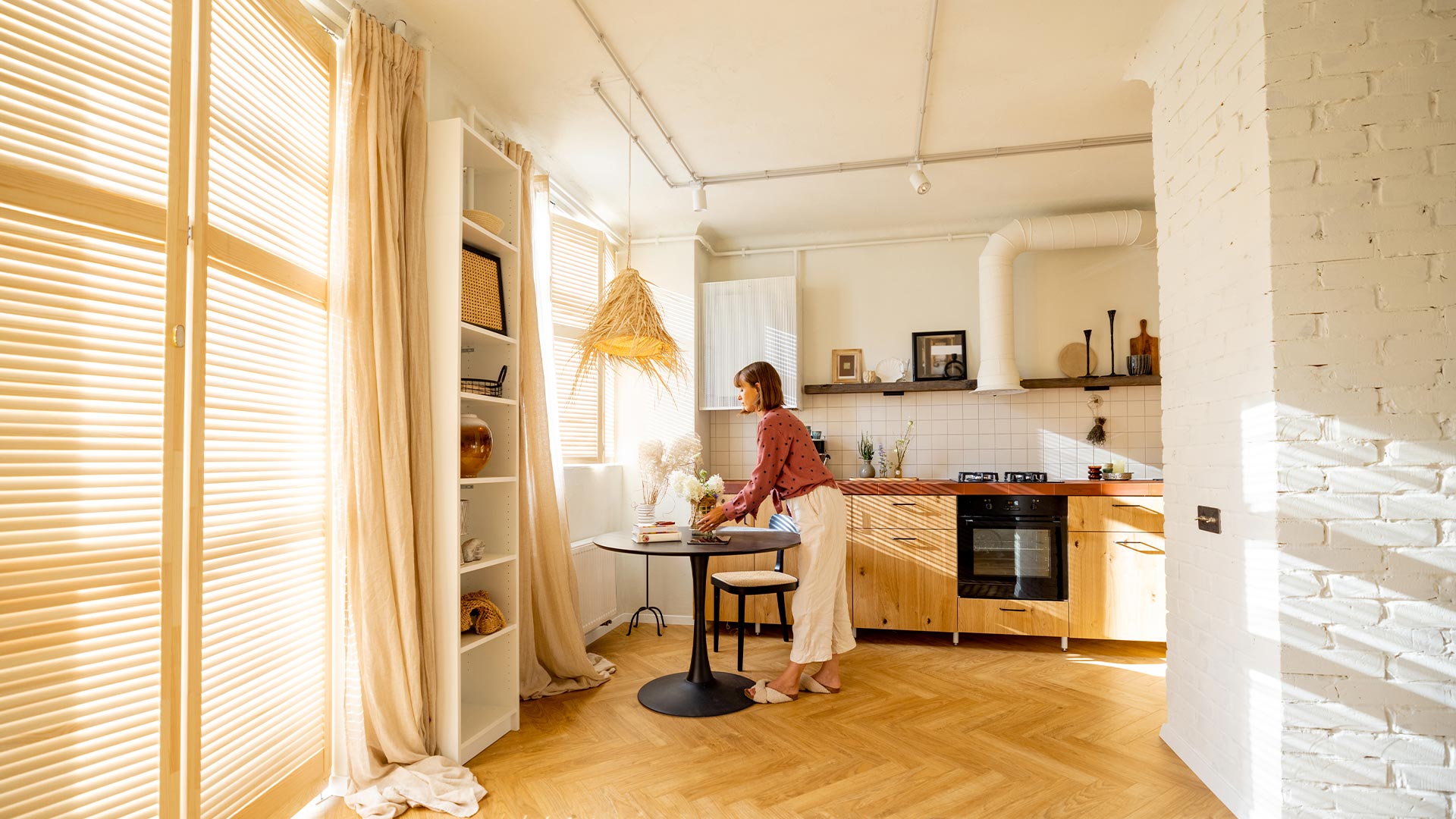
When you’re renting, utility bills can feel like one of those things that’s just out of your control. You didn’t pick the appliances. You can’t upgrade the insulation. You’re probably not allowed to install a smart thermostat. So, what can you do to keep your electricity bill from giving you heart palpitations?
With a few smart habits and renter-friendly tools, you can cut down on wasted energy, lower your monthly bills, and make your apartment more comfortable year-round. Here’s how to make it happen—without asking your landlord for a single thing.
1. Switch to LED Bulbs
Yes, they cost a little more up front. But LED bulbs use a fraction of the energy of traditional incandescents and last way longer. If your apartment still has old-school bulbs, you’re basically burning money every time you flip a switch.
Why it matters:
- LEDs use up to 80% less energy
- Last 10–20 times longer
- Produce less heat (great in the summer)
Start with the bulbs you use most often—living room, kitchen, and bedroom lamps—and work your way through the rest.
2. Use Smart Plugs to Cut Phantom Energy Use
A lot of devices suck power even when they’re turned off—TVs, chargers, coffee makers, game consoles, you name it. Smart plugs let you cut the juice completely when you’re not using something.
Use them for:
- Power strips under the TV
- Phone chargers and small kitchen appliances
- Lamps or fans on a timer
Bonus: many smart plugs let you control them from your phone or set a daily schedule so you don’t have to remember.
3. Install Thermal Curtains
If your windows are drafty—or if summer sunlight turns your living room into a sauna—thermal curtains are your best friend. They block heat in the summer and keep warmth in during the winter.
Why they work:
- Reduce heat loss by up to 25%
- Keep rooms cooler without overusing the AC
- Help reduce noise too
Hang them wide and high for maximum coverage, and close them during peak sunlight hours or overnight when it’s cold.
4. Seal Up the Drafts (No Tools Required)
Even small air leaks around windows and doors can drive up your heating and cooling costs. Thankfully, you don’t need a toolkit to fix them.
Renter-friendly options include:
- Adhesive weatherstripping foam
- Removable caulk or sealant
- Door draft stoppers or “door snakes”
You’ll feel the difference immediately—especially near older windows or patio doors.
5. Be Strategic With Fans and Airflow
Instead of blasting your AC 24/7, use fans to keep air moving and make your place feel cooler. In the winter, reverse ceiling fan direction to push warm air down.
Smart fan moves:
- Use a tower or box fan near a window at night
- Close unused vents or doors to redirect airflow
- Keep interior doors open for better circulation
Fans use way less energy than AC—and can make your space feel several degrees cooler.
6. Don’t Heat or Cool Rooms You Don’t Use
It sounds obvious, but if you’ve got a second bedroom, walk-in closet, or storage room that you rarely use, close the vents and the door. No need to waste energy heating or cooling a space that no one’s spending time in.
This works especially well for:
- Guest rooms
- Laundry nooks
- Hallway closets
Just make sure to crack the door once in a while to prevent mustiness.
7. Use a Power Strip for High-Drain Areas
If your TV, soundbar, gaming console, cable box, and streaming stick are all plugged in separately, you’re probably leaking energy every single day. A simple power strip makes it easy to shut it all down when not in use.
Best places for power strips:
- Home entertainment areas
- Computer setups
- Kitchen appliance zones
Some even come with a master switch that cuts off all devices with one button press.
8. Wash on Cold (And Air Dry When You Can)
Laundry is a sneaky energy hog. Heating water for your washing machine takes a lot of energy—but most clothes clean just fine in cold water. And your dryer? It’s probably one of the most power-hungry appliances in your home.
To save energy:
- Wash in cold
- Use shorter cycles
- Hang dry when possible (even just part-time)
- Clean the lint trap—always
If your building doesn’t allow outdoor drying, try an indoor drying rack near a window or heater.
9. Unplug Small Appliances After Use
Your toaster, coffee maker, blender—even when they’re off, they’re still using power in standby mode. Unplug them when you’re done, or plug them all into one strip and flip it off in one go.
This is especially useful in small kitchens where outlets are limited, and you’re constantly rotating appliances anyway.
10. Keep Your Fridge Running Efficiently
Refrigerators run 24/7, so any small inefficiency adds up over time. A few quick tweaks can make a big difference.
Try this:
- Don’t overload it (air needs to circulate)
- Keep it ¾ full for best efficiency
- Vacuum the coils if you can access them
- Check the seal—cold air shouldn’t escape easily
And don’t forget to let leftovers cool a bit before putting them in—hot food makes your fridge work harder.
Bonus Tips That Cost Nothing
- Turn off lights when you leave the room—yes, every time
- Open blinds in winter for free solar heat
- Close blinds in summer to keep cool air in
- Take shorter showers—saves water and heating
- Don’t block vents with furniture—it messes with airflow
These little habits may not seem like much, but over weeks and months, they add up.